
Hialeah continues to stand out as one of Miami-Dade’s most active real estate markets. See what current sales, pricing, and inventory trends are telling us about the Hialeah housing market in 2026.


Global conflicts often have a direct impact on the U.S. housing market, and the ongoing tensions involving Iran are no exception. One of the biggest concerns is the effect on oil prices. Because Iran sits near critical global oil shipping routes, instability in the region can cause fuel prices to rise quickly. Higher energy costs tend to increase inflation across the economy, which can keep mortgage rates elevated. When mortgage rates rise, affordability drops, meaning buyers may qualify for less, monthly payments increase, and some buyers choose to pause their home search altogether.
The conflict can also affect the cost of building and developing real estate. Higher fuel and transportation costs often increase the price of construction materials, shipping, and labor. Builders and developers may face delays and tighter profit margins, which can slow new construction projects and add even more pressure to an already limited housing inventory. In markets where affordability is already a challenge, rising construction costs can make it even harder for buyers to find reasonably priced homes.
At the same time, periods of global uncertainty often push investors toward hard assets like real estate. While higher interest rates can make financing more expensive, many investors still view real estate as a stable long term asset during economic instability. Markets like South Florida may experience mixed effects, with some slowdown in luxury activity, but continued demand driven by population growth, rental demand, and long term investment interest. While the war itself may not directly disrupt the U.S. housing market overnight, its economic ripple effects can absolutely influence buyer behavior, mortgage rates, and real estate trends nationwide.
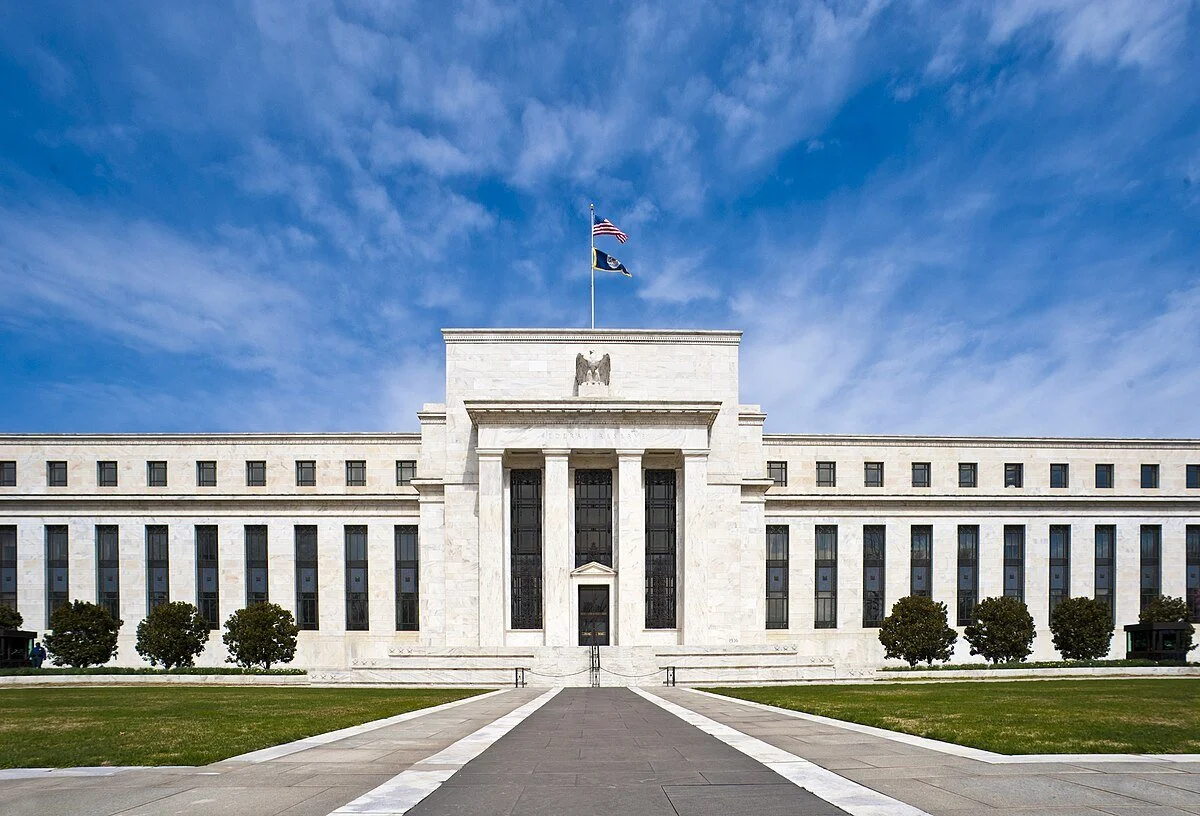
On December 10, 2025, the Federal Reserve announced another 0.25% rate cut, lowering the federal funds rate as part of its ongoing effort to support a cooling economy. Naturally, many buyers and homeowners immediately wondered whether this move would lead to lower mortgage rates — but the connection isn’t as direct as it may seem.
Mortgage rates do not move in lockstep with Fed rate cuts. Instead, long-term home loan rates are driven primarily by inflation expectations, investor sentiment, and the 10-year Treasury yield. By the time the Fed makes an official announcement, markets have usually priced in expectations, which is why mortgage rates don’t always fall immediately afterward.
In fact, leading up to this rate cut, many lenders had already adjusted pricing based on the belief that the Fed would continue easing policy. As a result, mortgage rates were already trending slightly lower — but not dramatically.
The Fed’s decision may still influence rates indirectly over the coming months. If investors believe the cut signals softer inflation and a more stable economic outlook, the 10-year Treasury yield may drift downward, allowing lenders to offer more competitive mortgage rates.
For buyers and homeowners, the takeaway is simple: the Fed’s move may help — but expect gradual, not sudden, changes. Monitoring the bond market will give the best clues about where mortgage rates go next.
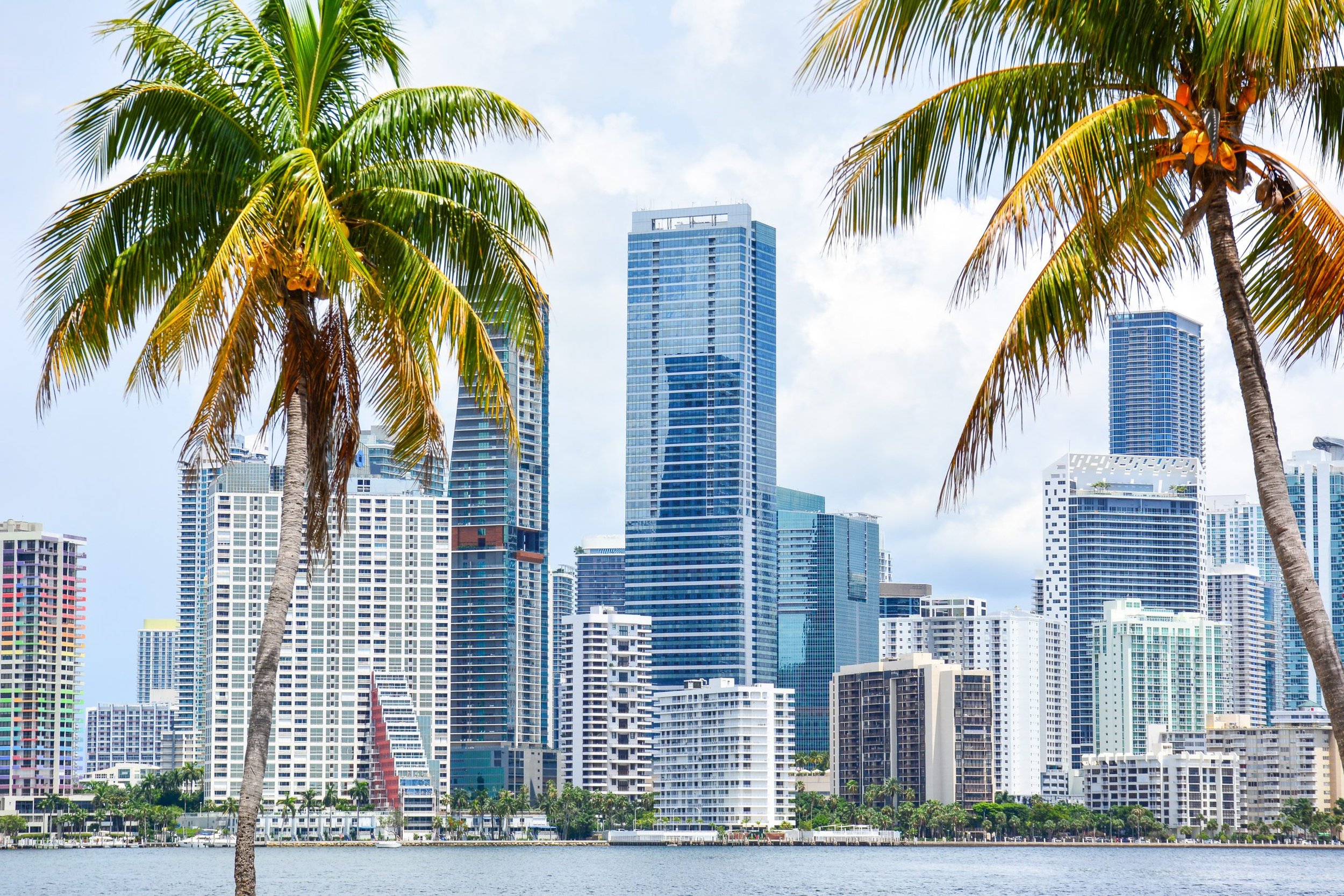
The Miami luxury condo market continues to show strength, even as other segments of the South Florida condo market experience slower activity. High-end condominiums remain in demand, supported by lifestyle buyers, international interest, and long-term confidence in Miami as a global real estate destination. For buyers and sellers alike, understanding current market conditions is essential.
Luxury condos, particularly those in newer or well-maintained buildings, are still attracting steady interest. Waterfront properties, branded residences, and full-service buildings in areas such as Miami Beach, Sunny Isles Beach, Brickell, and Bal Harbour continue to perform well. Buyers in this segment tend to be less sensitive to interest rate changes and more focused on location, amenities, and long-term value, which has helped luxury inventory remain resilient.
That said, inventory levels across the broader Miami condo market have increased, giving buyers more options and greater negotiating power. The impact of this shift varies widely from building to building. Older condos with high maintenance fees, deferred repairs, or upcoming special assessments are seeing more price pressure, while luxury buildings with strong HOAs and solid financials are holding their value more effectively. This makes building due diligence a critical part of the buying process.
For buyers, today’s Miami luxury condo market offers opportunity, provided careful attention is paid to association documents, insurance coverage, reserves, and closing requirements. Sellers, meanwhile, should approach the market strategically, pricing accurately and presenting their units competitively to stand out in a more selective environment.
Overall, the Miami luxury condo market remains stable and attractive, but it is more balanced than in recent years. With proper guidance and thorough preparation, both buyers and sellers can successfully navigate this evolving landscape.