
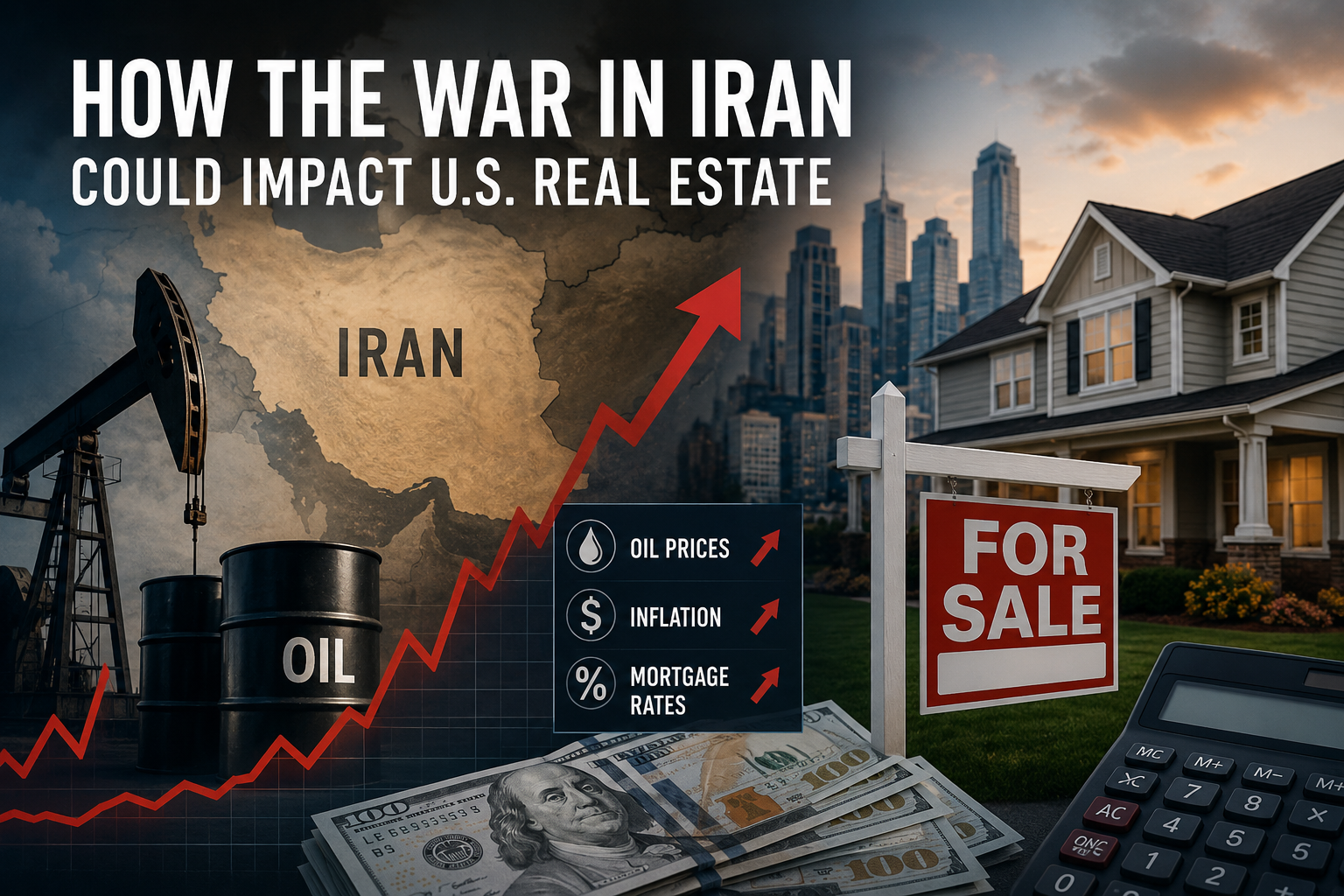
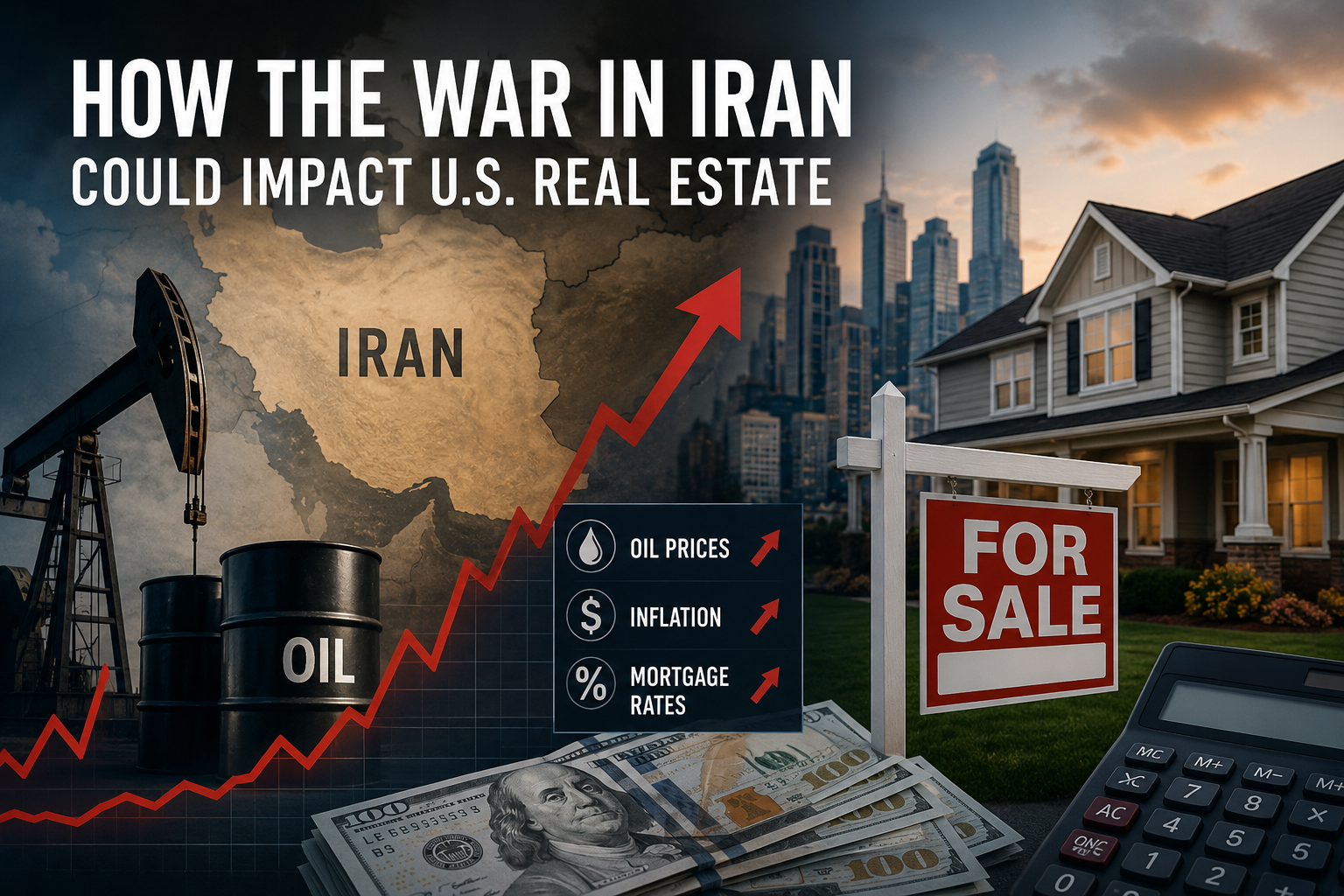
Global conflicts often have a direct impact on the U.S. housing market, and the ongoing tensions involving Iran are no exception. One of the biggest concerns is the effect on oil prices. Because Iran sits near critical global oil shipping routes, instability in the region can cause fuel prices to rise quickly. Higher energy costs tend to increase inflation across the economy, which can keep mortgage rates elevated. When mortgage rates rise, affordability drops, meaning buyers may qualify for less, monthly payments increase, and some buyers choose to pause their home search altogether.
The conflict can also affect the cost of building and developing real estate. Higher fuel and transportation costs often increase the price of construction materials, shipping, and labor. Builders and developers may face delays and tighter profit margins, which can slow new construction projects and add even more pressure to an already limited housing inventory. In markets where affordability is already a challenge, rising construction costs can make it even harder for buyers to find reasonably priced homes.
At the same time, periods of global uncertainty often push investors toward hard assets like real estate. While higher interest rates can make financing more expensive, many investors still view real estate as a stable long term asset during economic instability. Markets like South Florida may experience mixed effects, with some slowdown in luxury activity, but continued demand driven by population growth, rental demand, and long term investment interest. While the war itself may not directly disrupt the U.S. housing market overnight, its economic ripple effects can absolutely influence buyer behavior, mortgage rates, and real estate trends nationwide.